How can experiential team building create behaviour change?
Why purposeful team challenges, reflection and application can help teams make trust, communication and collaboration visible — and turn an activity into learning.
Key takeaways
- A team activity becomes learning only when participants connect the experience to workplace behaviour.
- Good challenges make interdependence, communication and decision-making visible.
- Debrief quality is as important as the activity itself.
- The best team experiences end with practical agreements or commitments.
Experiential team building works when the activity becomes a mirror for how the team actually works. The challenge creates an experience; the debrief helps people see the behaviour; practice and agreements help carry the learning back into work.
The activity is not the outcome
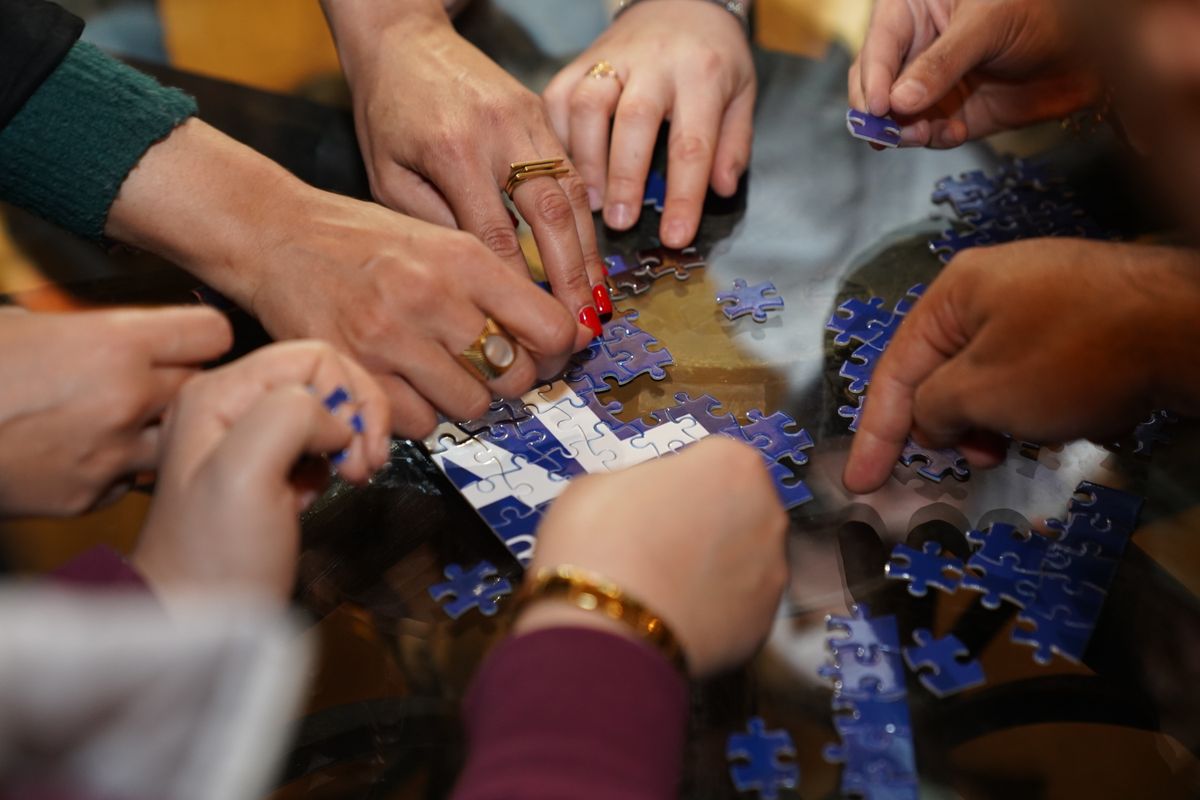
A puzzle, simulation, creative challenge or outdoor task can be engaging. But engagement alone does not tell a team what to change.
The design should begin with a question such as: What should this team do differently after the experience? That might be sharing information earlier, listening across functions, involving quieter voices or resolving disagreement sooner.
Make interdependence visible
Good team challenges create a reason to depend on one another. Information may be distributed across groups, roles may be deliberately different or the task may require people to coordinate under time pressure.
Participants then experience the consequences of holding information, making assumptions or failing to clarify.
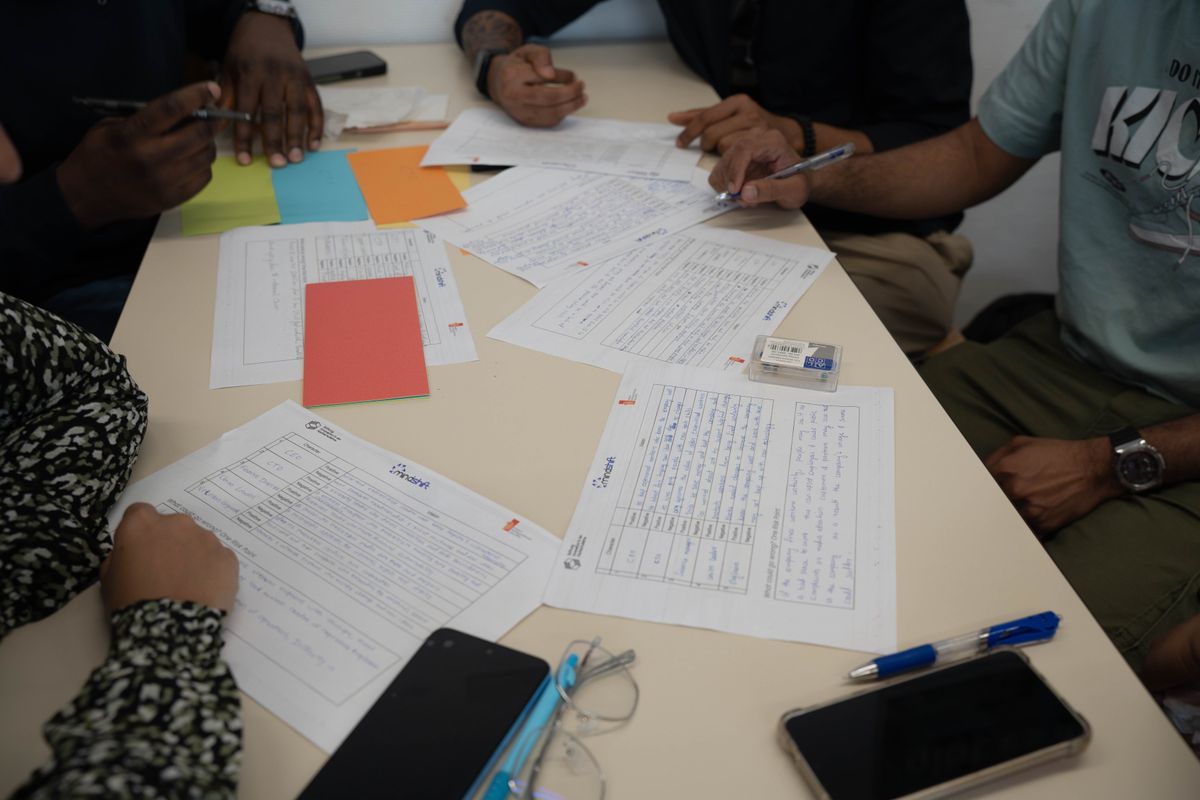
Debrief what actually happened
The facilitator can ask:
- What happened?
- What did you notice about your own behaviour?
- What did you notice about the team?
- What helped the group move forward?
- What got in the way?
- Where does the same pattern appear at work?
- What will you do differently?
That final connection is crucial. Without it, the experience can remain a memorable activity rather than becoming a workplace insight.
Turn insight into an agreement
Teams can finish by agreeing a small number of practical behaviours: how information will be shared, how disagreement will be raised, what a good handover looks like, or how decisions will be made.
The fewer and clearer the agreements, the easier they are to revisit later.
Use the experience as part of a wider journey
Team building can be a standalone experience, part of a corporate offsite or one stage in a longer learning journey. For teams facing deeper relationship or conflict issues, a facilitated programme can combine experience with communication practice, reflection and follow-through.
Kraft Connect's KRAFT CONNECT pillar and KRAFT OFFSITE format are designed around this principle: bond, reflect, communicate, collaborate and celebrate — with a clear purpose behind the experience.
Topics covered
- experiential team building
- team collaboration
- team challenges
- trust at work
- team effectiveness
Frequently asked questions
They can be, when the activity is designed around a clear learning purpose and followed by reflection and workplace application.
Teams can examine what happened, how they communicated, who participated, what assumptions appeared, what helped and what they would change at work.
Entertainment can create enjoyment and connection. Experiential learning adds a deliberate learning objective, observation, reflection and application.
Kraft Connect perspective
From learning design to business context.
This insight sits at the intersection of experiential learning and workplace application. Explore the people behind Kraft Connect for the facilitation and organisational perspectives that shape its programmes.

Kraft Connect's editorial team develops practical learning and development guidance from its experiential methodology and programme design work. The team works alongside founders Ishu Sharma and Sartaj Singh Mangat.