How can companies design meaningful corporate offsites?
A step-by-step guide to planning a purposeful corporate offsite — setting objectives, balancing experience and reflection, and making sure the value lasts beyond the event.

Key takeaways
- Start with the outcome you want when people return to work, not the venue or the activities.
- Balance five purposes: bond, reflect, communicate, collaborate and celebrate.
- Every activity should have a reason to be there, followed by reflection.
- Plan the follow-up before the offsite — that is where the value is kept.
A meaningful corporate offsite starts with a clear answer to one question — what should be different when people return to work? — and is then designed around shared experiences, honest conversation and reflection that serve that outcome, with a plan to follow up afterwards. Without that, even a well-produced offsite tends to become a pleasant day that changes little.
Why many offsites fall flat
Offsites are often planned logistics-first: the venue is booked, the dates are fixed, an activity vendor is chosen, and the agenda is filled in last. The result can be enjoyable but disconnected — games that are fun but unrelated to the team's real challenges, presentations that could have been emails, and no clear thread tying the day together.
The fix is to reverse the order. Decide the purpose first; let it shape everything else.
Step 1: define the outcome
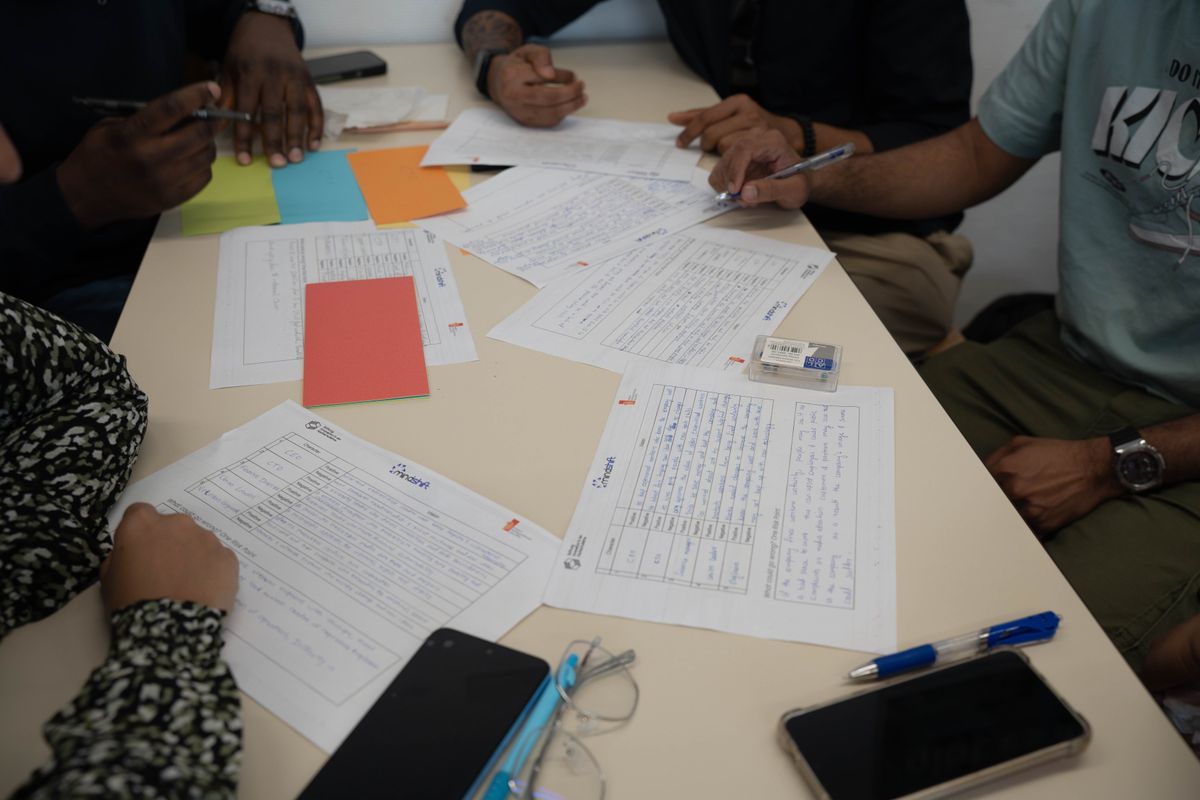
Useful offsite objectives are specific. Compare:
- "Team bonding" with "people from sales and operations trust each other enough to raise problems early".
- "Strategy offsite" with "the leadership team leaves aligned on three priorities and who owns each".
- "Celebration" with "people feel recognised for a hard year and recommitted to the next one".
A specific outcome makes it much easier to choose activities, decide who should attend and judge whether it worked.
Step 2: balance five purposes
Most good offsites combine several purposes. We think of five:
- Bond — shared experiences that build trust quickly.
- Reflect — space to step back and see the bigger picture.
- Communicate — honest conversations that don't happen at the desk.
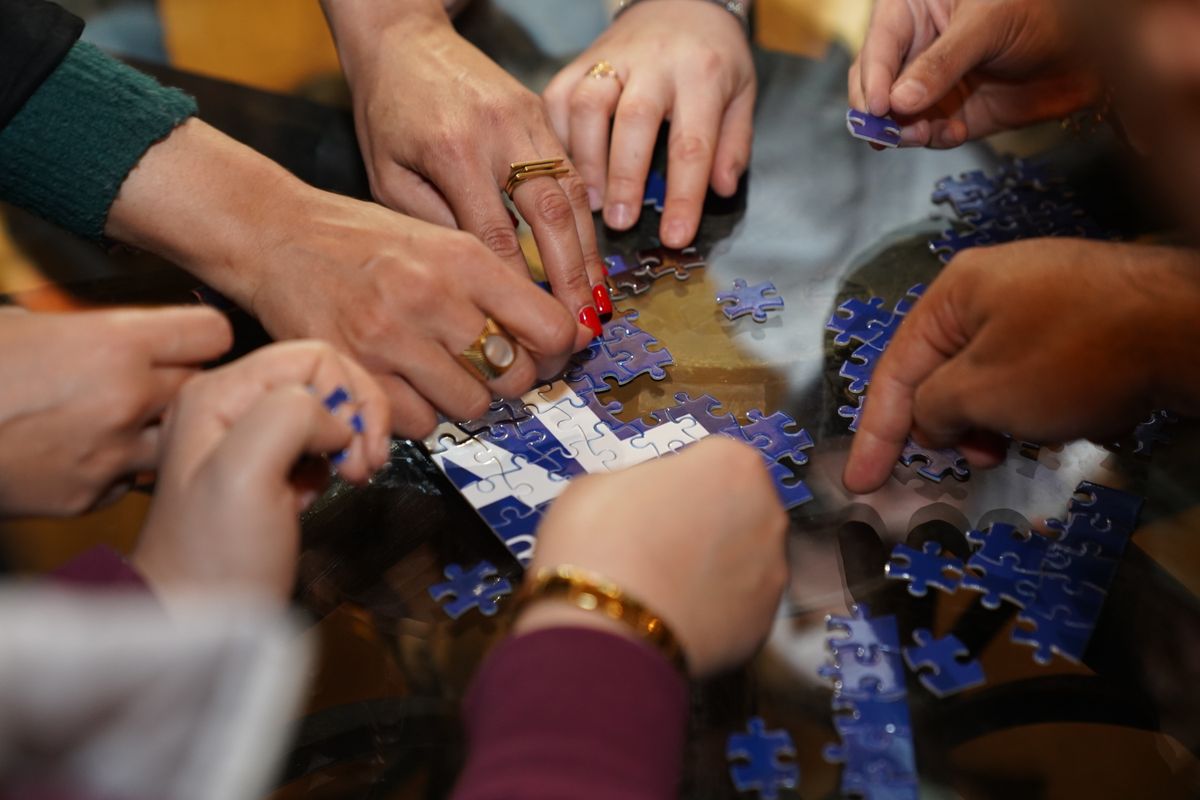
- Collaborate — challenges that need everyone to win.
- Celebrate — recognising the journey and the people in it.
The mix depends on the outcome. A team after a difficult restructuring may need more reflection and honest conversation; a team after a record year may need more celebration and forward-looking alignment.
Step 3: choose experiences with a purpose
Every activity should be there for a reason. Some examples of how experiential formats map to purposes:
- Team challenges and simulations to surface how the team collaborates under pressure.
- Rhythm and movement to build energy and a sense of moving together.
- Collaborative art or build challenges to create a shared picture of the future.
- Storytelling to help leaders communicate purpose and meaning.
- Mindful walks or reflective sessions to create space for perspective.
- Informal evening sessions — music, stories, conversation — to build belonging.
Each experience should be followed by a short, facilitated reflection that connects it to real work.
Step 4: design the flow
A typical flow moves from lower to higher intensity and back:
- Arrive and connect: light, energising activities to shift people out of work mode.
- Experience: the main challenge or programme block.
- Reflect and talk: facilitated conversation about what the experience revealed.
- Align and commit: what we will do differently, and who owns what.
- Celebrate: recognition and informal connection.
Leave white space. Offsites that are overscheduled leave no room for the unplanned conversations that are often the most valuable part.
Step 5: plan the follow-up before the event
The value of an offsite is kept or lost in the weeks afterwards. Before the event, decide:
- How commitments will be captured and shared.
- When the team will check in on them.
- What leaders will do to reinforce the outcome.
A thirty-minute follow-up a few weeks later is often the difference between an offsite that is remembered fondly and one that actually changed something.
Common mistakes to avoid
- Choosing activities for novelty rather than purpose.
- Filling the agenda with presentations.
- Leaving no time for reflection.
- Making participation in sensitive activities mandatory.
- Treating the offsite as a reward rather than an investment — or as a substitute for fixing structural problems.
The bottom line
The best offsites are memorable because they are useful. When the purpose is clear, the experiences are chosen for a reason, reflection is built in and follow-up is planned, people come back closer, clearer and more committed to each other.
Topics covered
- corporate offsite
- team retreat
- experiential offsite
- team collaboration
- employee engagement
Frequently asked questions
It depends on the objective. A half-day or full-day offsite can reset a team or build connection. Leadership retreats focused on strategy and alignment often benefit from more time.
Usually yes. When leaders participate alongside their teams, it signals that the offsite matters and creates the kind of shared experience that builds trust across levels.
It can, and some of the most valuable offsites do. They need careful design and facilitation so that honest conversation feels safe and ends constructively.
Kraft Connect perspective
From learning design to business context.
This insight sits at the intersection of experiential learning and workplace application. Explore the people behind Kraft Connect for the facilitation and organisational perspectives that shape its programmes.

Kraft Connect's editorial team develops practical learning and development guidance from its experiential methodology and programme design work. The team works alongside founders Ishu Sharma and Sartaj Singh Mangat.