How can organisations build resilience and well-being at work?
A practical HR and L&D guide to resilience, sustainable performance, reflection and workplace habits that support employee well-being.

Key takeaways
- Workplace resilience is not simply an individual responsibility; context, workload and management practices matter too.
- Well-being learning is more useful when people practise usable habits rather than only hearing advice.
- Reflection helps people notice patterns in pressure, energy and response.
- Well-being programmes should be positioned clearly as learning and workplace development, not clinical therapy.
Workplace resilience is not about asking people to tolerate unlimited pressure. It is about helping people and teams recognise pressure, respond intentionally and build habits that support sustainable performance — while organisations address the conditions that create avoidable strain.
Start with the workplace, not just the individual
A resilience programme should not imply that employees are responsible for fixing every source of stress themselves. Workload, role clarity, leadership behaviour, team relationships and organisational change all influence how people experience work.
Learning can strengthen individual and team capability, but it works best alongside sensible organisational practices.
What resilience looks like at work
Resilience can show up in practical behaviours:
- Recognising when pressure is changing how you think or communicate.
- Pausing before reacting.
- Asking for help early.
- Recovering after demanding periods.
- Maintaining perspective during uncertainty.
- Supporting colleagues without taking responsibility for everything yourself.
These are behaviours people can notice, practise and discuss.
Reflection is part of the learning
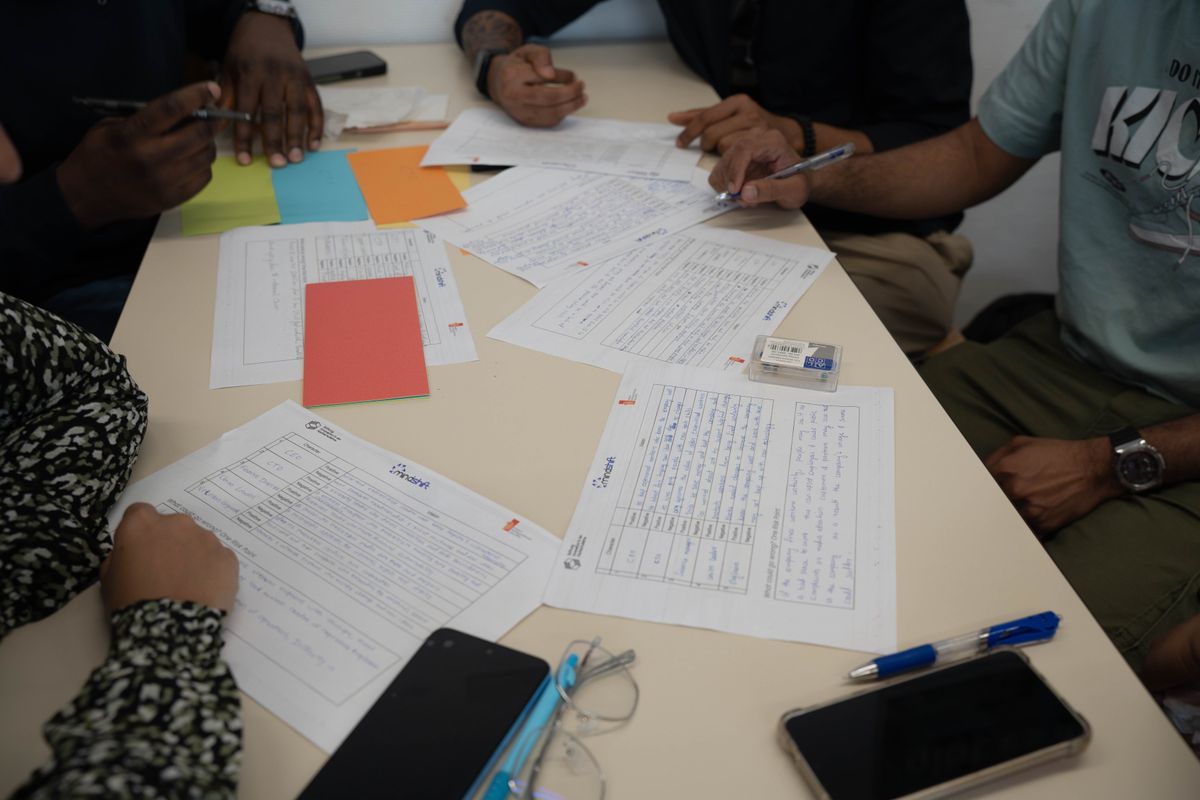
People often move quickly from one demand to the next without noticing patterns. Guided reflection creates a pause: What drains my attention? How do I behave under pressure? What helps me recover? What do colleagues experience from me when I am stretched?
The value comes from turning reflection into a practical experiment at work.
Make well-being experiential
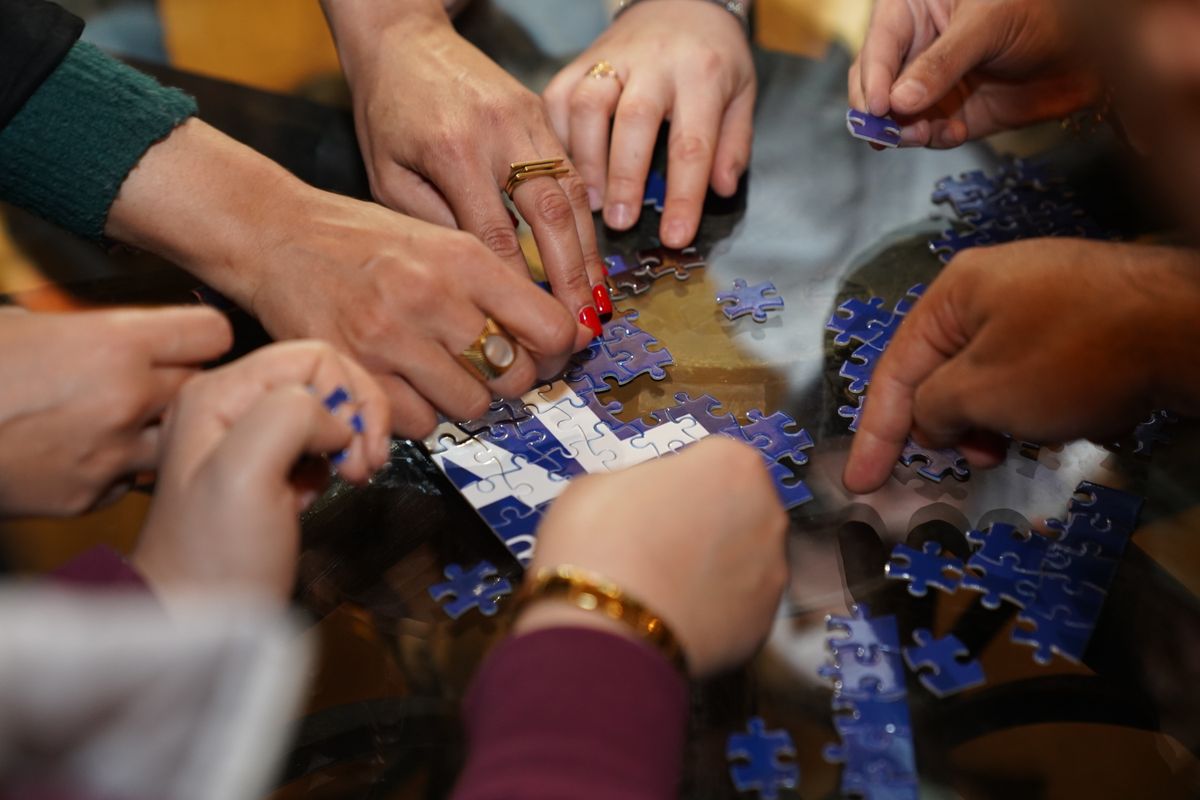
Well-being experiences can include movement, mindful reflection, creative expression, outdoor activities, storytelling or structured conversations. The format matters less than the purpose.
Kraft Connect's principle is to design the experience backwards from the behaviour or insight the organisation wants to strengthen.
Reinforce after the session
A single workshop can create awareness, but habits need reinforcement. Follow-up questions, manager check-ins, short learning moments and personal commitments can help people revisit what they noticed and what they changed.
For larger initiatives, HR and L&D can also look at team-level signals such as communication patterns, ownership, collaboration and agreed pulse measures.
A useful design question
Instead of asking only, "What well-being workshop should we run?", ask: "What do we want employees and managers to do differently during demanding periods?"
That answer gives the programme a clearer purpose and helps separate learning interventions from areas that need broader organisational action.
Topics covered
- employee well-being
- workplace resilience
- burnout prevention
- sustainable performance
- well-being programmes
Frequently asked questions
It can cover awareness of pressure, personal responses, recovery habits, boundaries, reflection, communication and practical ways of sustaining performance.
Yes. Guided reflection, movement, mindfulness and shared activities can create structured opportunities to notice habits and practise alternatives.
No. Workplace learning and well-being experiences are not clinical therapy or medical treatment. Organisations should use appropriately qualified professionals when clinical support is required.
Kraft Connect perspective
From learning design to business context.
This insight sits at the intersection of experiential learning and workplace application. Explore the people behind Kraft Connect for the facilitation and organisational perspectives that shape its programmes.

Kraft Connect's editorial team develops practical learning and development guidance from its experiential methodology and programme design work. The team works alongside founders Ishu Sharma and Sartaj Singh Mangat.